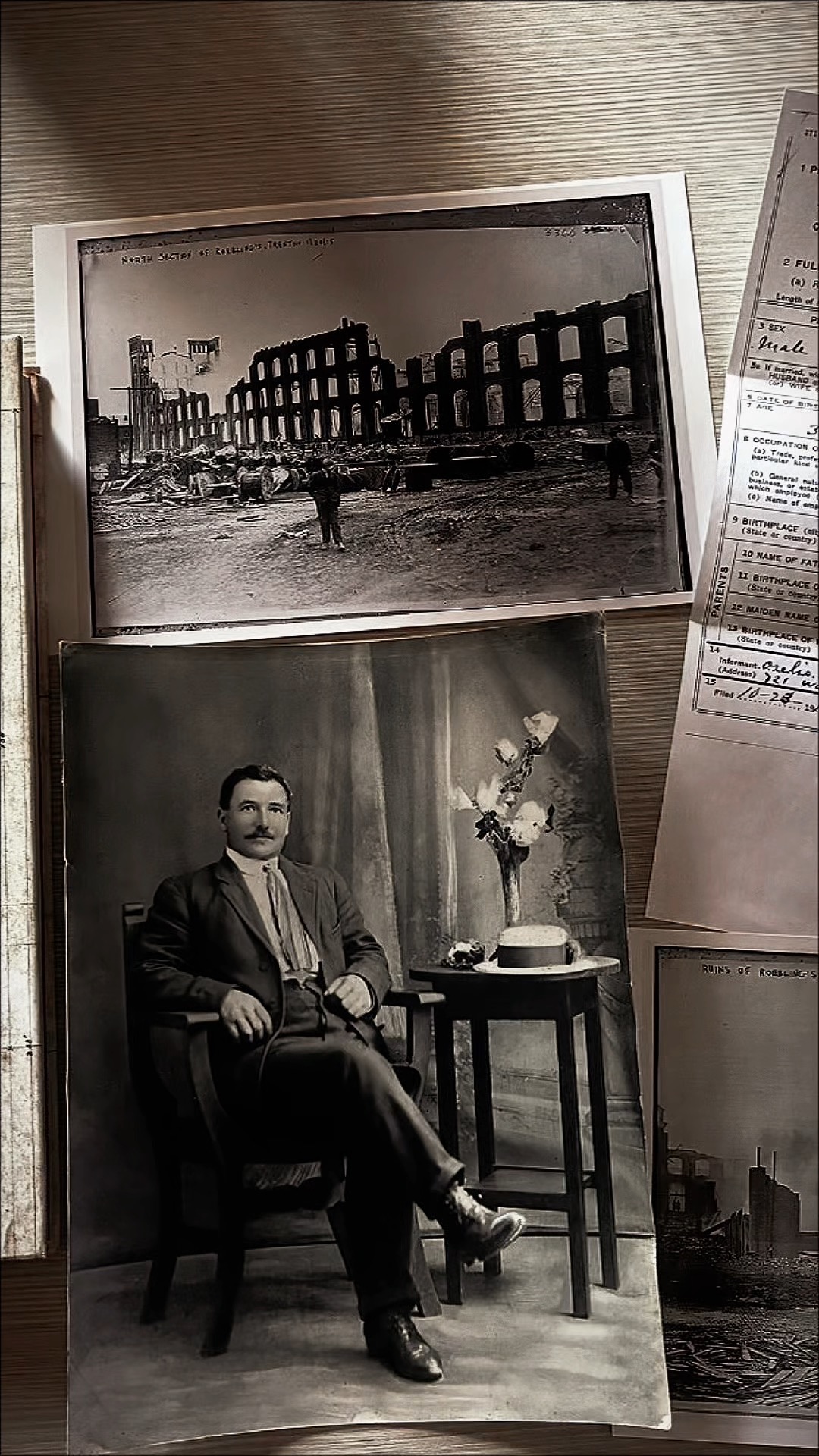
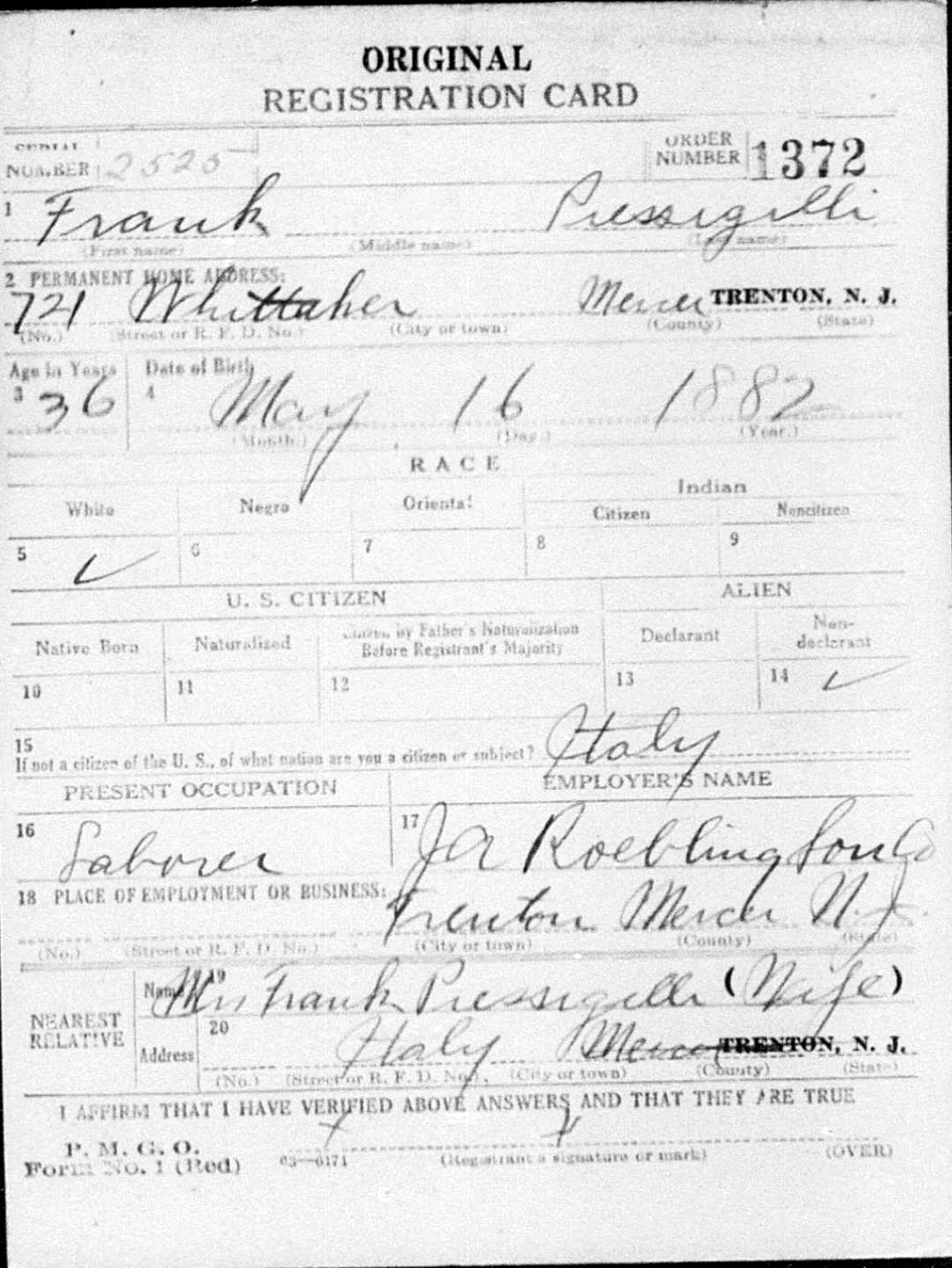
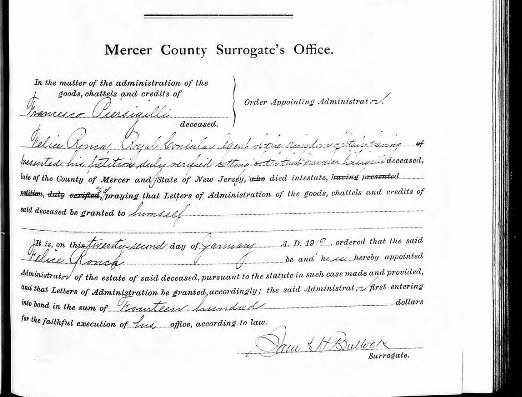
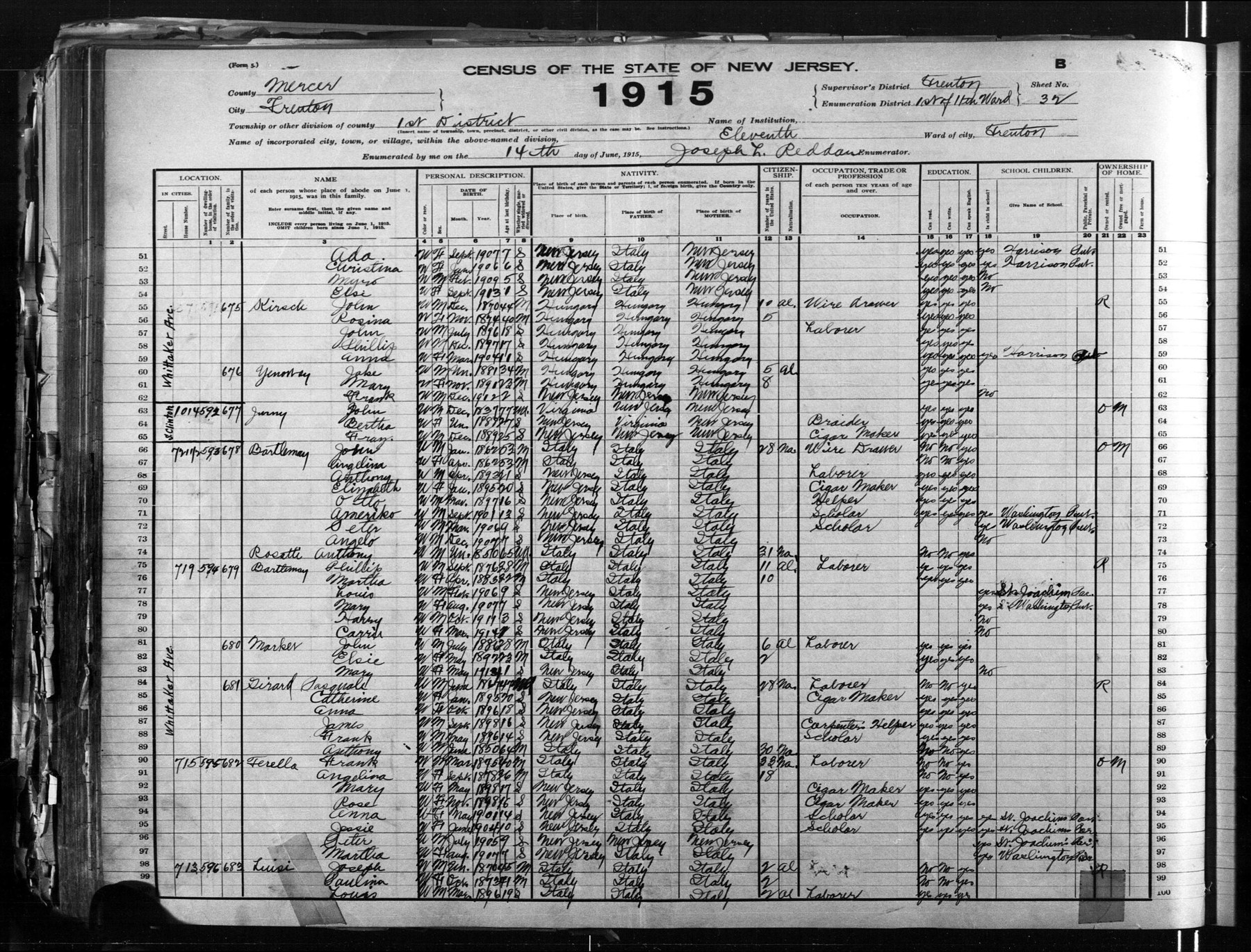
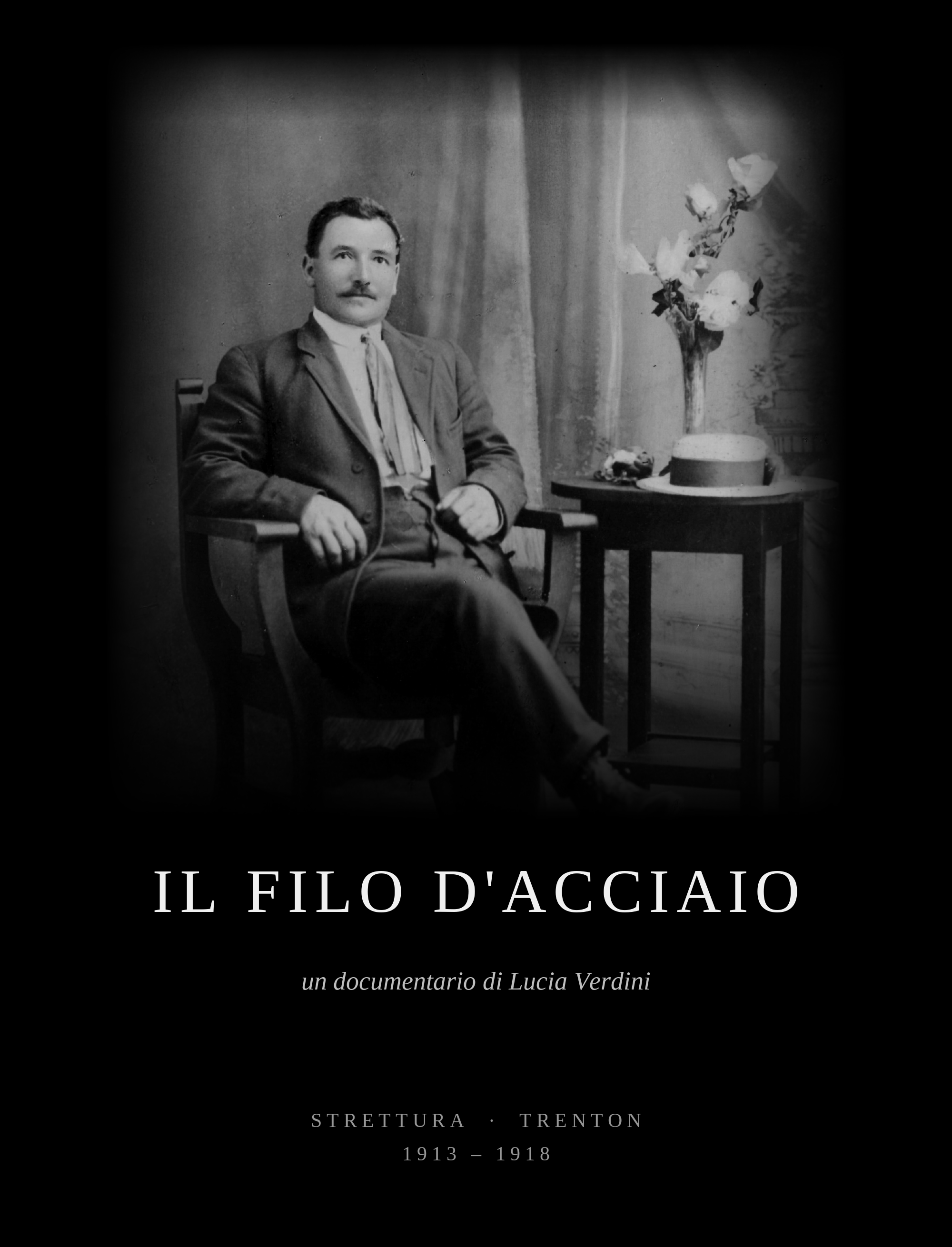
In September 1913 Francesco Piersigilli lands in New York. He has left Umbria to build a life he can offer his wife and three children. In 1918, when, as the family tells it, his wife and children are getting ready to join him, he dies in Trenton, New Jersey. More than a century later his great-great-granddaughter retraces his steps, to give that unfinished journey a sequel.
Who was the man the family waited for and never saw again? And what is handed down to those who come after a story that was cut short?
The film starts from what is left: a photograph, a line on an Ellis Island manifest, a draft card, a death certificate. Between Strettura, the village where they waited, and Trenton, where Francesco worked at the Roebling wire rope works, the research becomes a journey. It makes room for the gaps too: the documents that cannot be found, the questions that stay open.
The steel thread of the title, il filo d'acciaio, is the wire rope made in the factory where Francesco worked, and the invisible thread that ties the generations together.